
Fine Motor Skills Activities the Montessori Way: Unlocking Potential with Montessori Motor Skills
- Belinda Risteska
- Jun 22
- 4 min read

Fine motor skills are essential building blocks for children’s development. They help little hands gain control, coordination, and confidence. When nurtured thoughtfully, these skills pave the way for success in writing, self-care, and creative play. The Montessori approach offers a gentle, effective path to developing these abilities. It encourages independence, focus, and joy in learning. This post explores how Montessori motor skills activities can transform the way children grow and learn.
Why Montessori Motor Skills Matter for Young Learners
Montessori motor skills activities focus on refining small muscle movements, especially in the hands and fingers. These skills are crucial for tasks like buttoning clothes, holding pencils, and using utensils. The Montessori method emphasizes hands-on learning with carefully designed materials that invite exploration and repetition.
Children are naturally curious and eager to master new challenges. Montessori activities tap into this curiosity by providing purposeful tasks that are neither too easy nor too hard. This balance helps children stay engaged and motivated. The approach also respects each child’s pace, allowing them to progress confidently without pressure.
Some key benefits of Montessori motor skills activities include:
Improved hand-eye coordination
Enhanced concentration and patience
Greater independence in daily tasks
Boosted self-esteem through accomplishment
By focusing on these skills early, children build a strong foundation for academic and personal success.
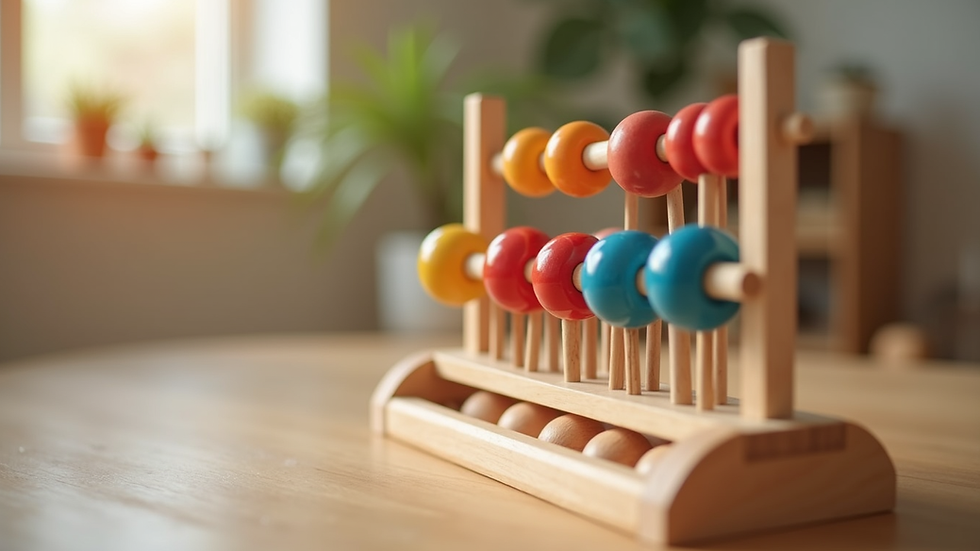
Practical Montessori Motor Skills Activities to Try at Home
Parents can easily incorporate Montessori-inspired activities into daily routines. These activities are simple, use natural materials, and encourage children to practice fine motor control in meaningful ways. Here are some favorites:
1. Bead Stringing and Threading
Using colorful beads and a string, children practice threading beads one by one. This activity strengthens finger dexterity and hand-eye coordination. It also introduces patterns and counting, adding a cognitive element.
2. Pouring and Transferring
Set up small pitchers, cups, and bowls with dry beans, rice, or water. Children pour from one container to another, developing control and precision. This activity also teaches patience and focus.
3. Buttoning Frames and Dressing Boards
Montessori dressing frames with buttons, zippers, and snaps allow children to practice dressing skills independently. These frames build finger strength and coordination while fostering self-care.
4. Pinching and Tweezing
Using tweezers or clothespins, children pick up small objects like pom-poms or cotton balls. This refines the pincer grasp, essential for writing and manipulating small tools.
5. Cutting with Scissors
Supervised cutting activities with child-safe scissors help develop bilateral coordination and hand strength. Cutting along lines or shapes adds a creative dimension.
These activities are not only fun but also purposeful. They invite children to explore and master skills at their own pace, building confidence and competence.

What are the 4 C's of Montessori?
The Montessori philosophy is built on core principles that guide every activity and interaction. Among these, the 4 C's stand out as essential pillars:
1. Concentration
Montessori activities are designed to capture and hold a child’s attention. Concentration is nurtured through engaging, hands-on tasks that encourage deep focus without distractions.
2. Coordination
Fine motor skills are part of a larger goal to develop physical coordination. Montessori materials help children refine their movements, improving control and precision.
3. Control
Children learn to regulate their actions and impulses. Control is fostered by activities that require careful handling and repetition, helping children develop self-discipline.
4. Confidence
As children master new skills, their confidence grows. Montessori encourages celebrating small successes, which motivates children to take on new challenges.
Together, these 4 C's create a supportive environment where children thrive. They are especially important when developing fine motor skills, as they ensure children feel capable and motivated.
How Montessori Fine Motor Skills Activities Support Language Learning
Fine motor skills and language development often go hand in hand. In Montessori classrooms and homes, activities that build motor skills also support communication and cognitive growth. For example, threading beads can be paired with counting aloud or naming colors. Pouring exercises can include vocabulary about volume and measurement.
This integrated approach is especially beneficial for children learning new languages. The physical activity anchors new words and concepts in real experiences, making language learning more natural and memorable.
For parents in Munich seeking language education for children aged 4 and up, incorporating these activities can enhance both motor and language skills. The Montessori-inspired approach creates a playful, immersive environment where children feel safe to explore and express themselves.
If you want to explore more about montessori fine motor skills activities, there are many resources and guides available that offer step-by-step instructions and material lists.
Tips for Creating a Montessori-Inspired Space at Home
Setting up a Montessori-friendly environment at home can make a big difference. Here are some practical tips:
Use natural materials: Wood, fabric, and metal are preferred over plastic. They provide sensory richness and durability.
Keep materials accessible: Low shelves and baskets allow children to choose activities independently.
Organize by activity: Group similar materials together to encourage focused work.
Limit distractions: A calm, uncluttered space helps children concentrate.
Rotate materials: Change activities regularly to maintain interest and challenge.
By creating a welcoming and orderly space, parents support their children’s autonomy and learning. This environment encourages children to engage deeply with each activity, building fine motor skills and more.
Encouraging Consistency and Patience in Skill Development
Developing fine motor skills is a gradual process. Children need time and repeated practice to build strength and coordination. Montessori motor skills activities are designed to be repeated as often as needed, without pressure or frustration.
Parents can encourage consistency by:
Setting aside regular time for activities
Celebrating small achievements
Observing without interrupting, allowing children to self-correct
Offering gentle guidance when needed
Patience is key. Every child progresses at their own pace. The Montessori approach honors this individuality, making learning a joyful journey rather than a race.
Fine motor skills are more than just physical abilities. They are gateways to independence, creativity, and confidence. Through Montessori motor skills activities, children develop these essential skills in a nurturing, engaging way. By embracing this approach, parents can support their children’s growth holistically, laying a strong foundation for lifelong learning and success.